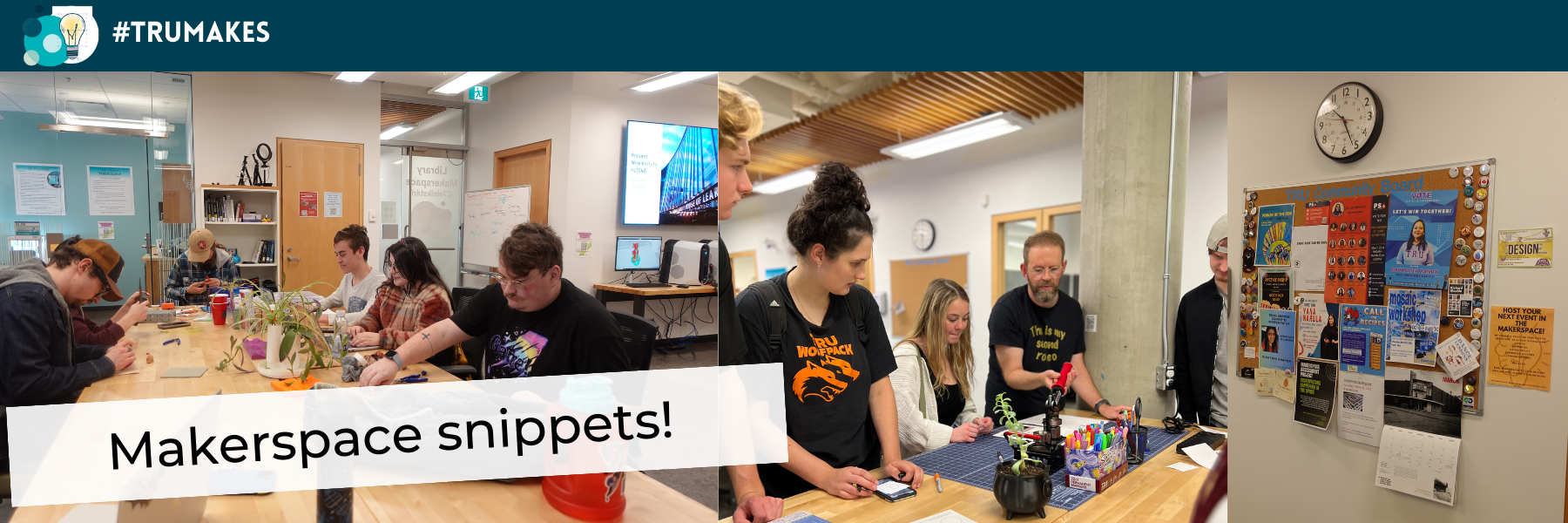
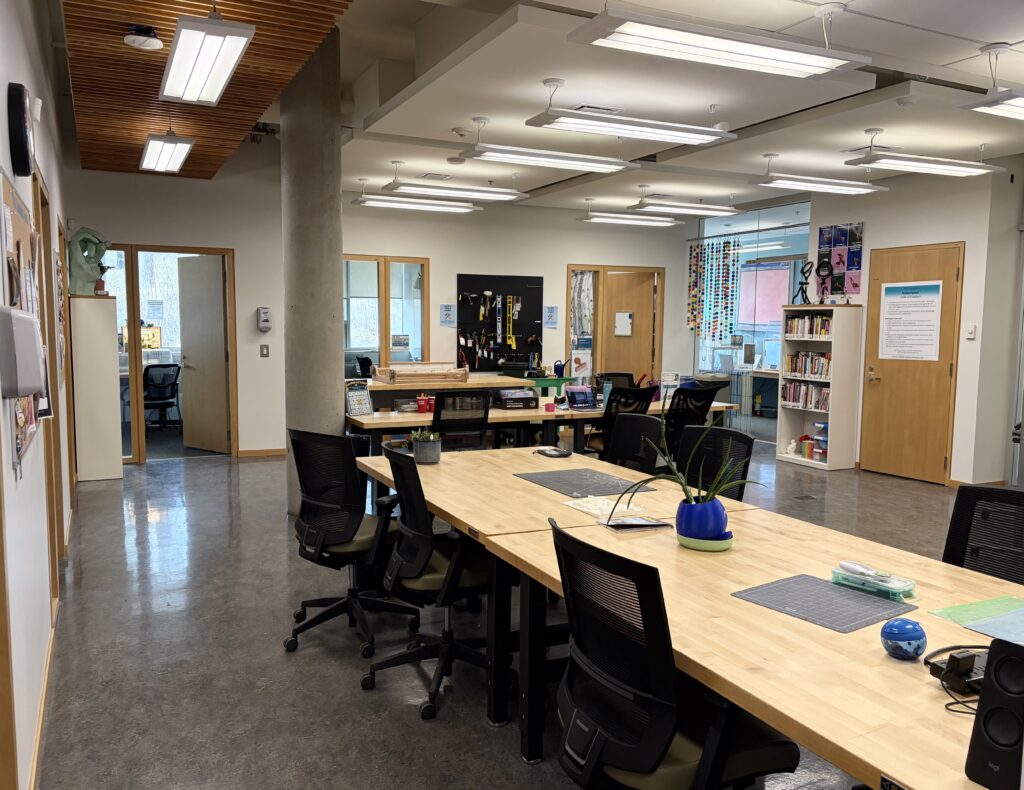
The TRU Library Makerspace in Kamloops is a free walk in space inside the Thompson Rivers University Library where students can use 3D printers, laser cutters, sewing machines, virtual reality headsets and a full recording studio. Now in its fourth year of operation, the space is open to every registered TRU student and is supported by trained student ambassadors who help first time users learn the equipment. It is open during regular library hours and has grown into one of the most active hands-on learning areas on the TRU campus while drawing students from every faculty and program.
What the Makerspace Offers
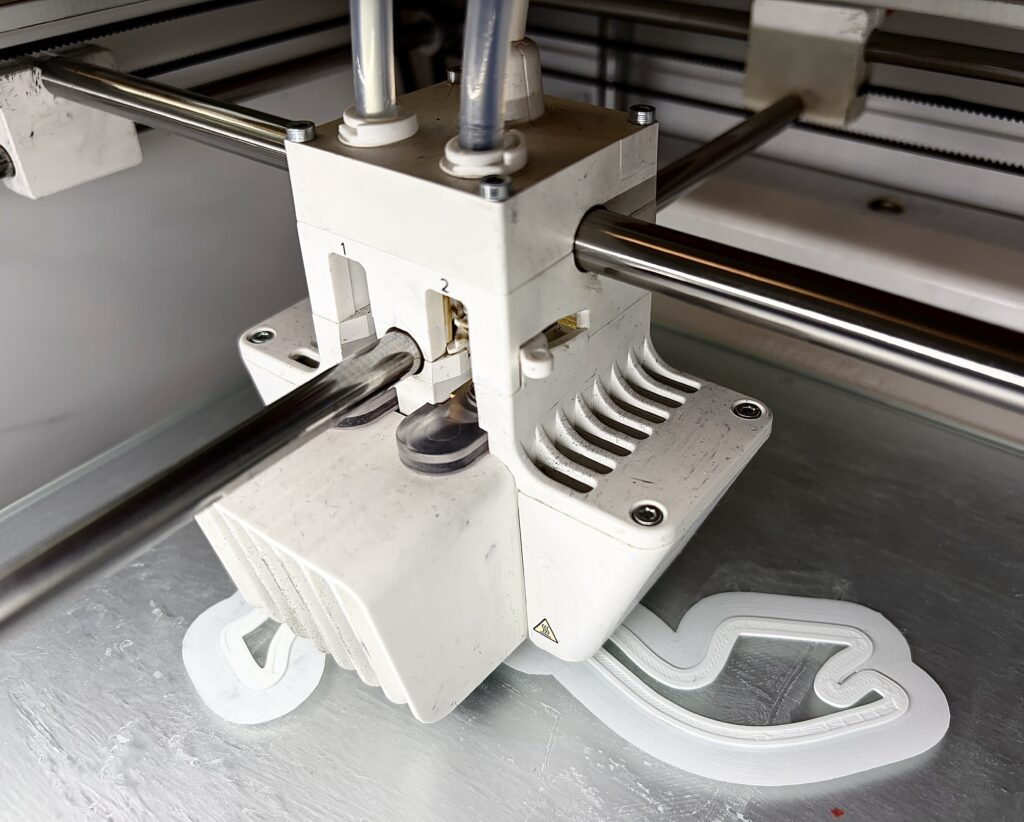
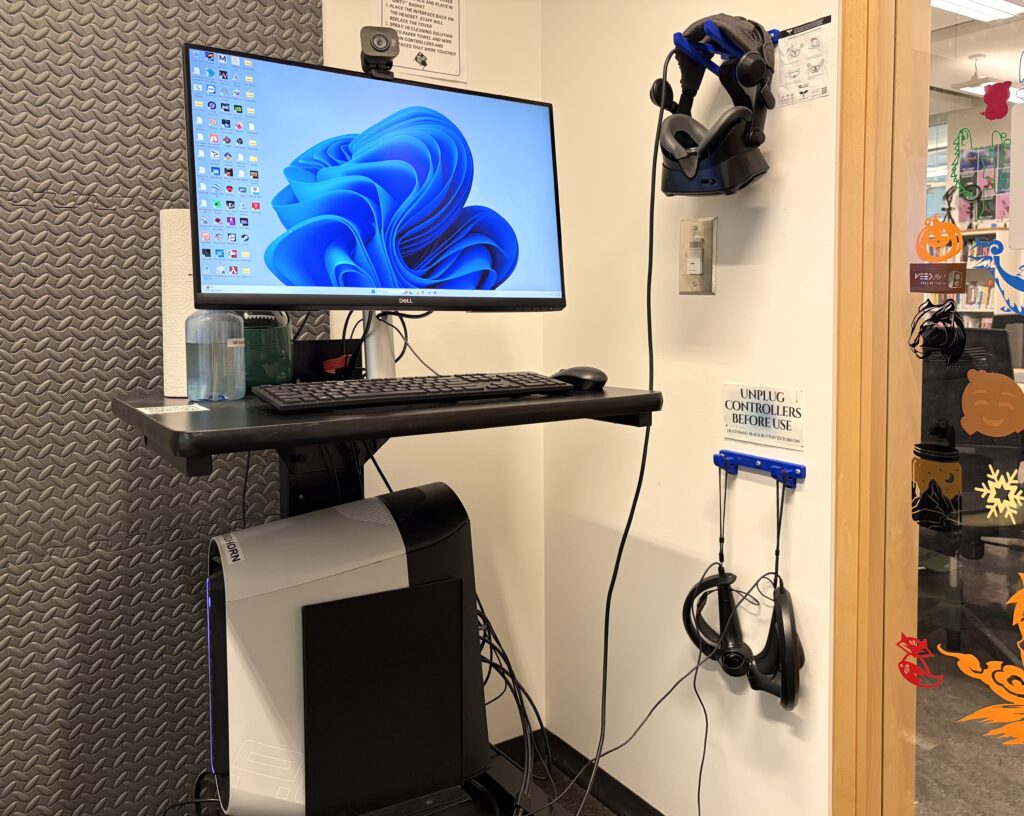
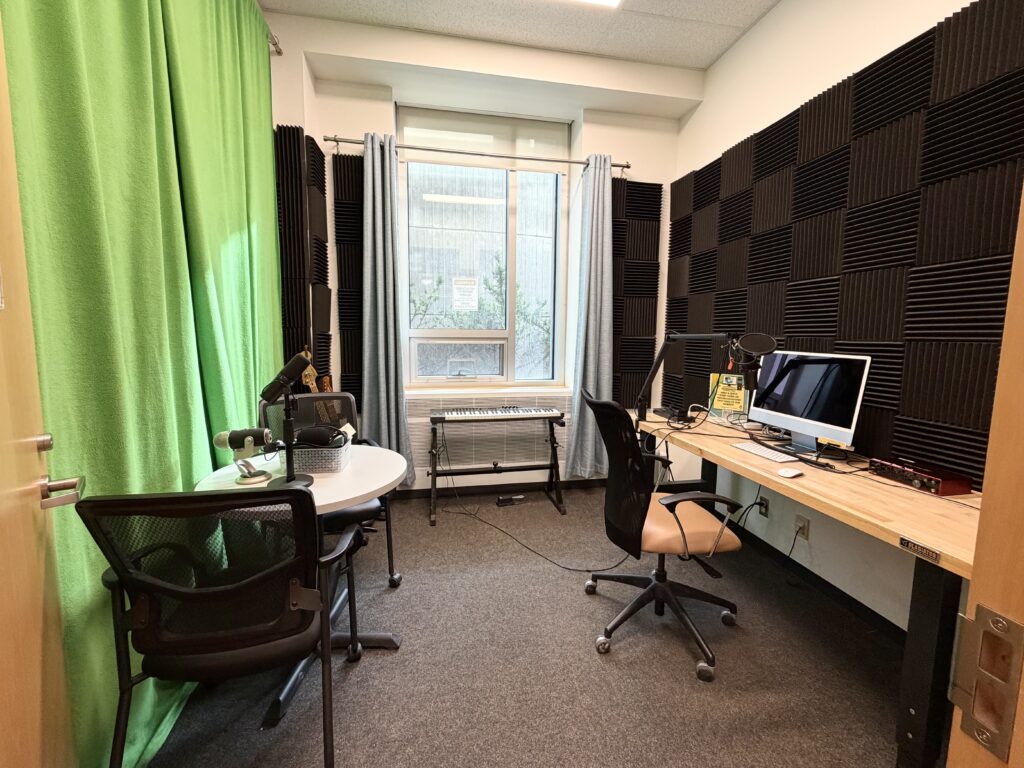
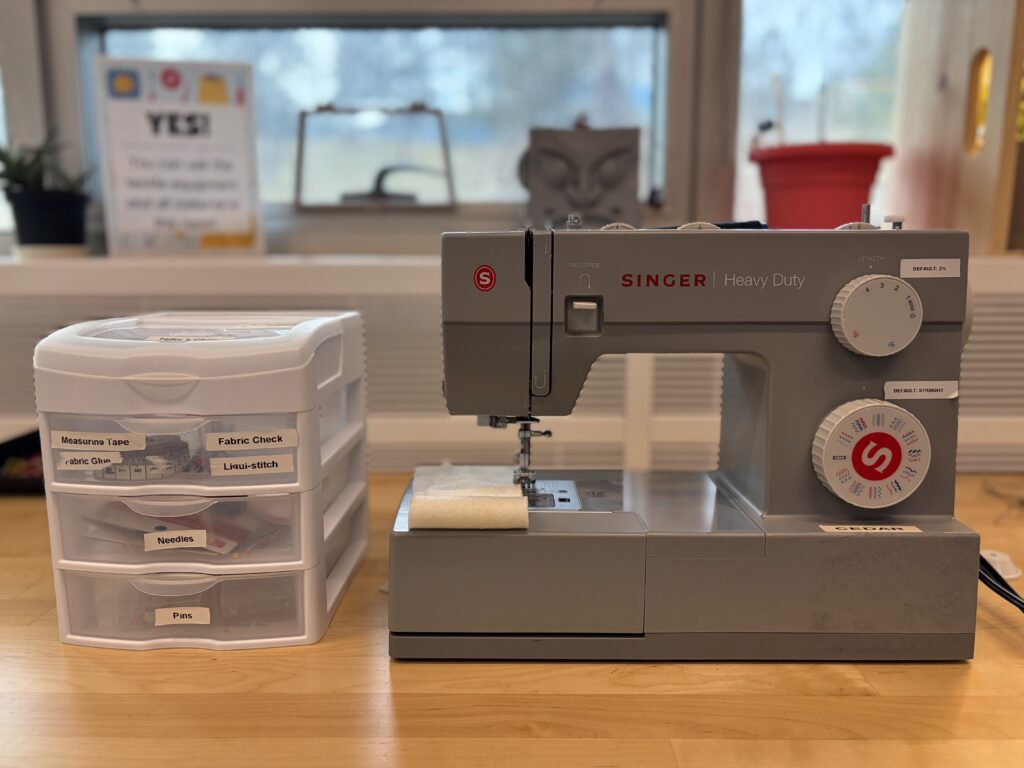
Students can walk in without booking an appointment and start using the tools right away. The equipment includes several 3D printers for turning digital designs into physical objects, a laser cutter for shaping wood and acrylic, Cricut machines for custom vinyl designs and Meta Quest VR headsets for exploring virtual environments. There is also a textile corner with sewing machines and a sound treated recording studio for podcasts, interviews and audio projects. Everything in the space is free to use.
The TRU Library Makerspace guide describes a no-barrier approach to access.
“Users should be able to come into the space and be using most things within 2 minutes,” the guide states.” There should be no cost to use the space or do any basic project required for learning any of the tools we support.”
How the Student Ambassador Program Works
What sets this space apart from a typical lab is how it is staffed. The Makerspace relies on student ambassadors who are current TRU students trained on each piece of equipment – a role that I held for over three years. Their job is not to do the work for the user. Instead, they walk alongside the learner and help them figure things out on their own. This approach follows what the Makerspace team calls Hands-on and inquiry-based learning, where the user is responsible for their own growth through hands-on experience.
The result is a space where students from very different backgrounds end up working side by side. A nursing student might be 3D printing a model of a bone at one table while an arts student laser cuts a sign for their portfolio at the next. That kind of cross program interaction is rare on most university campuses.
Why This Space Matters
For many students, the Makerspace is their first time ever using a 3D printer or trying virtual reality. The equipment would cost thousands of dollars to buy on their own and most people would never have access to it outside of a specialized program. By placing these tools inside the library, TRU has opened them up to everyone, not just students in computing science or engineering.
Research on makerspaces in academic settings has found that library based maker programs help build practical skills, increase student engagement and create a sense of belonging on campus (Moorefield-Lang, 2014).
The TRU Makerspace fits this pattern. Its philosophy page describes the space as one “designed primarily for experimentation, play and innovation.” In simpler terms, it is perfectly fine if your first 3D print comes out wrong. That is part of the process.
What Comes Next
As TRU continues to expand its campus services, the Makerspace has become a strong example of what a modern university library can look like beyond bookshelves and study rooms. It shows that when students are given tools and the freedom to try new things, they find ways to learn that no lecture or textbook can replace. For anyone at TRU who has not yet visited, the door is open and the machines are waiting.
Leave a Reply